Claude AI Design Tool
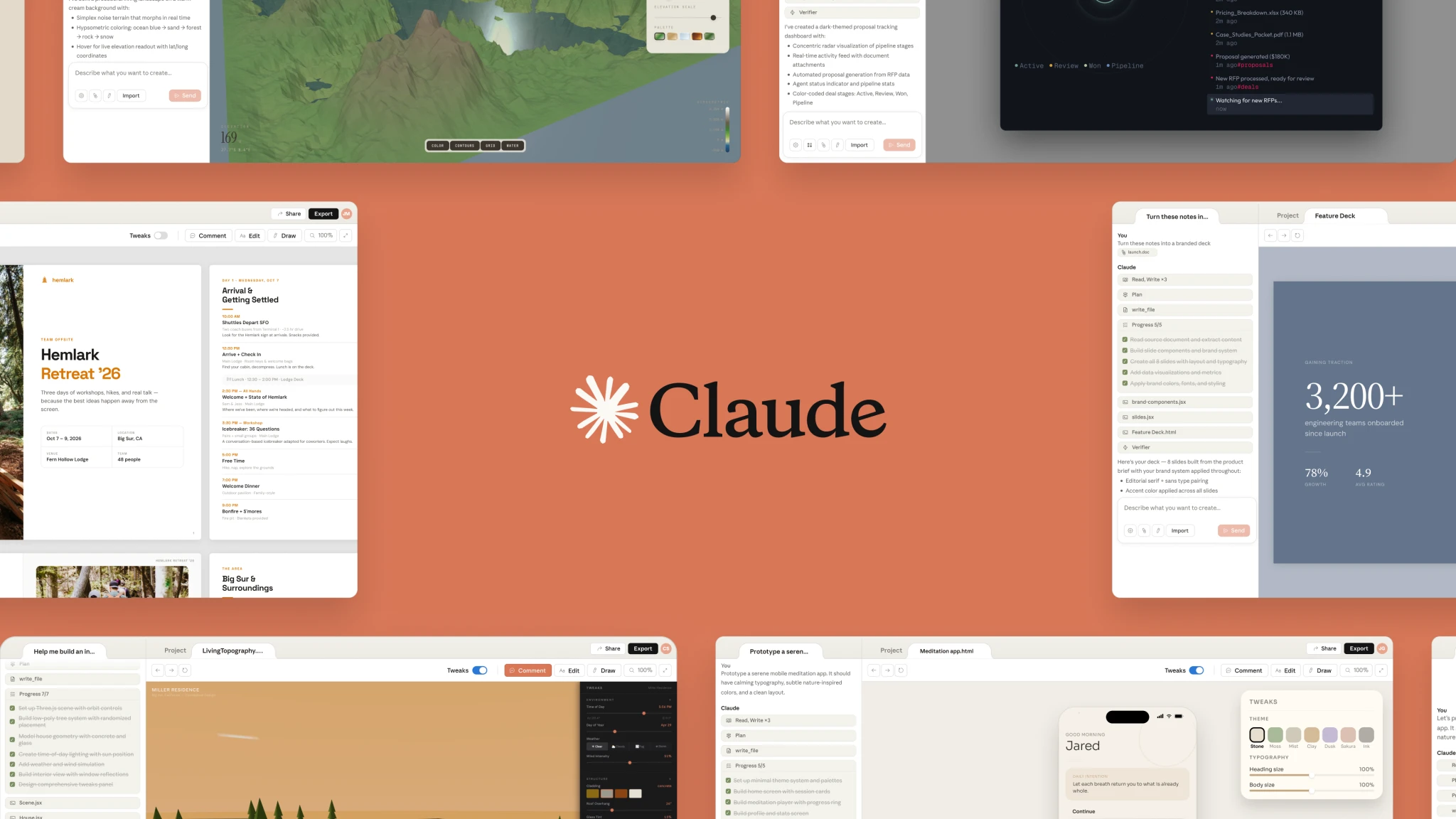
The introduction of the Claude AI design tool marks a significant shift in how digital products are conceptualized and created. As artificial intelligence continues to influence creative workflows, tools like Claude are making it possible to move from an idea to a visual prototype within minutes. This evolution is particularly impactful in the space of website design, branding, and product development, where speed and iteration often define success.
A New Era of AI-Driven Design
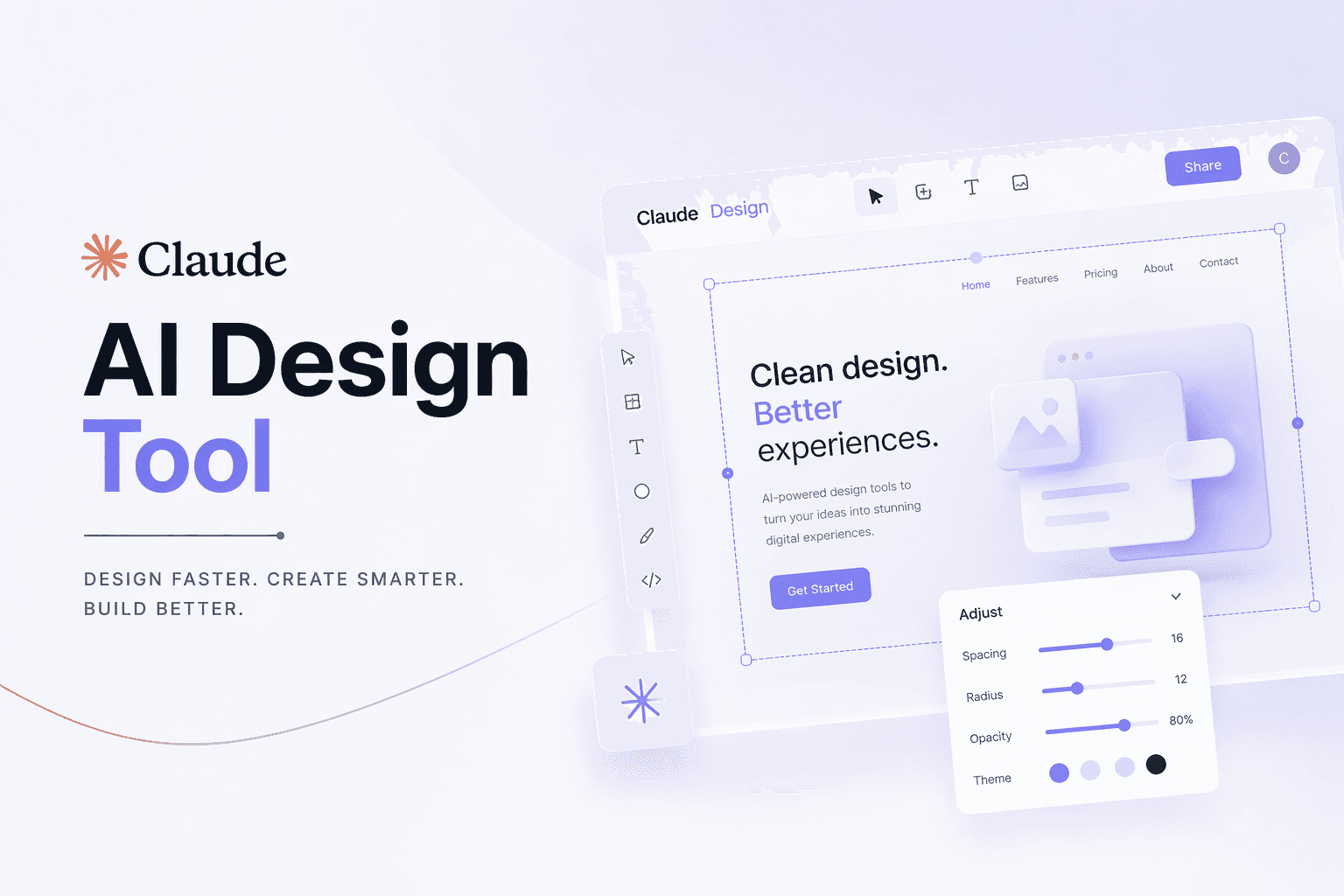
Claude AI Design allows users to describe ideas in natural language and instantly generate website mockups, product wireframes, and interactive prototypes. For designers, this means exploring multiple creative directions without the usual time constraints. For founders, marketers, and product managers, it removes the intimidating barrier of needing design expertise to express ideas visually.
The tool also brings structure to creativity. By analyzing design systems, codebases, and existing brand assets, Claude can generate outputs that align with a company’s visual identity. It supports multiple input formats, from simple text prompts to uploaded documents and web captures, making it a flexible addition to modern workflows.
Speed is Impressive, But Context is Everything
There is no denying that Claude AI dramatically improves speed. You can go from a rough idea to a working prototype faster than ever before. Need a landing page concept? Done. Want to visualize a feature flow? Also done.
But speed, while impressive, is only one part of the equation.
When it comes to building real-world digital products, context matters. Understanding user behavior, aligning with business goals, and making nuanced design decisions require more than pattern recognition. AI can suggest layouts, but it does not fully understand why a user hesitates before clicking a button or what makes a brand feel trustworthy.
The “Looks Good, But…” Problem
AI-generated designs often fall into a familiar category: visually clean, technically correct, but slightly generic. It is the kind of design that makes you say, “This looks good… but something is missing.”
That “something” is usually intent.
Strong branding is not just about colors and typography. It is about storytelling, personality, and creating a distinct identity. Similarly, effective UI/UX design is not just about structure; it is about guiding users, influencing decisions, and delivering a seamless experience.
AI can get you to version one. Getting to version ten, where everything feels intentional and refined, still requires human judgment.
Where AI Meets Real Craft
This is where the process becomes more interesting. Many teams are now using tools like Claude AI as a starting point rather than a final solution. It helps generate ideas quickly, explore variations, and build early prototypes without friction.
From there, the real work begins.
Designers refine interactions, developers ensure performance and scalability, and branding experts shape a cohesive identity. The result is not just a functional website, but a thoughtful digital experience that aligns with both users and business goals.
It is also why teams working on projects at places like Trivanta Tech often treat AI as a collaborator rather than a replacement. It is great at speeding things up, but it still needs direction, taste, and a bit of creative stubbornness to turn something good into something memorable.
The Future is Collaborative, Not Competitive
The conversation around AI in website design often leans toward replacement, but the reality is more collaborative. AI tools are excellent at expanding possibilities and reducing manual effort. Human designers, on the other hand, bring intuition, empathy, and strategic thinking.
Together, they create a workflow that is both efficient and meaningful.
Final Thoughts
Claude AI Design represents a powerful step forward in digital design. It democratizes access, accelerates workflows, and makes it easier for anyone to bring ideas to life. But it is best seen as a starting point rather than a finished product.
Because at the end of the day, a great website is not just about how fast it was made. It is about how well it works, how it feels, and how clearly it tells your story. And that is something AI is still learning—one prototype at a time.